What is it
Urinary incontinence involves involuntary urine loss. The affected person has an urgent need and the condition of the person who will urinate but is unable to retain urine.
Escapes can occur by sneezing, laughing, exerting or exercising. It is a hygienic, social and psychic problem, as it influences the activity of the patient’s activity and reduces their quality of life.
Incontinence is not a disease in itself, but the consequence of an alteration in the bladder phase that occurs in numerous. It is most common among women, children (enuresis) and the elderly, affecting more than 15 percent of non-institutionalized 65-year-olds and 35 percent of hospital income.
“The highest rating from urinary incontinence in Spain is 15% in women and 11.6% in men. The aging of the population is a risk factor for urinary incontinence, especially in the form of hyperactive bladder”, explains Patricia Ramírez Rodríguez-Bermejo, from the family team of Juan Carlos Ramírez Fernández to Ruber International Hospital.
Blanca Madruga, a member of the Spanish Association of Urology (AEU), comments that “we always think it is an underdiagnosed disease since there is to this day quite quite ‘shame’ when it comes to recognizing a woman suffers from incontinence urinary tract. In general, men don’t have as much modesty to go to the doctor when they suffer.”
Causes
Urinary incontinence occurs when the pressure inside the bladder is higher than the pressure in the urethra.
This condition may be a hyperactivity of the company’s detrusor. The main reasons are:
Neurological problems or damage.
By an alteration of the external sphincter and those that are contained in the pelvic floor.
For the failure of the internal sphincter in the face of inappropriate relaxation or organic injury.
Assess your symptoms
Symptoms
The main symptom of urinary incontinence is the loss of urine by coughing and sneezing physical activities, or having sex.
Prevention
There are some steps that can help delay and prevent the onset of urine incontinence. Some of the tips to keep in mind are:
- Eat a balanced diet, such as the Mediterranean. Avoiding overweight and obesity will reduce intra-abdominal pressure.
- Reduce consumption of beverages such as coffee, soft drinks, and carbonated beverages, alcohol and citrus, among others.
- Avoid spicy foods.
- Increase fiber intake to prevent constipation.
- Reduce the consumption of diuretic products and medicines, because this will make you want to urinate less.
- Avoid drinking between four and two hours before bedtime.
- Do not push when urinating. This will prevent damage to the pelvic floor muscles.
- Do not drink before physical exercise.
Kegel Exercises
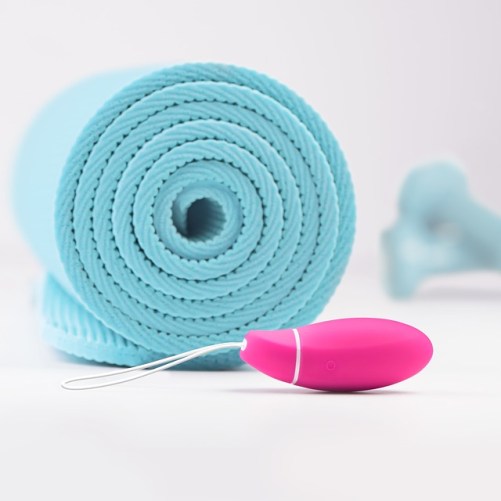
Kegel exercises help strengthen the muscles around the urethra and pelvic floor. When these muscles are weakened, urinary incontinence is more likely to appear.
These exercises consist of performing a series of contractions and relaxations that are repeated throughout the day constantly.
Types
The main types of incontinence are:
Stress urinary incontinence
In stress incontinence, urine loss occurs when any movement or physical activity occurs. Laughter, sneezing, sport, heavy lifting, or merely standing up or crouching can cause urine leaks ranging from a few drops to a jet.
The origin of this incontinence, which affects more than one million women, is found in the urethra. Physical exertion, even if mild, causes increased pressure in the abdomen and bladder, but is not transmitted to the urethra, triggering incontinence.
Pregnancy and age cause a loss of elasticity and tension in the pelvic floor, so the bladder and urethra fall and their continence mechanisms are only effective at rest.
This type of incontinence is not associated with the need to urinate.
Emergency urinary incontinence
It consists of involuntary urine loss associated with an urgent and sudden need to urinate. Therefore, there is a prior consciousness. The origin of this incontinence is in the detruding. Two types of emergency urinary incontinence can be distinguished:
Sensitive incontinence: is caused by increased sensory impulses from the tension/pressure receptors found in the bladder walls. An early feeling of fullness and urgency to urinate appears. May be associated with diseases.
Motor incontinence: urine loss is caused by hyperactivity of the detrusor, i.e. a failure in motor inhibition of the reflex of urination. It is mainly caused by psychic mechanisms, exertion or obstruction.
Mixed urinary incontinence
Urine loss is caused by hyperactivity of the detrusor muscle and a disorder in the sphincter mechanisms. In this case, bladder neck incompetence allows urine to enter the proximal urethra. As a result, the detruder understands that urination has started and releases the reflection that causes its contraction.
Brining urinary incontinence
Urine loss occurs because the bladder is distended by obstruction and the impossibility of emptying. Two causes of brimification urinary incontinence are distinguished:
Organic: in this case, the bladder is distended by a blockage that prevents the passage of urine and is unable to empty. Overflow occurs when the bladder can no longer relax. Prostate tumors and benign prostate hyperplasia are the main diseases that cause this type of incontinence.
Neurological: Neurological damage to the spinal parasympathetic nucleus or pelvic nerve causes the detrusor to have no force. It usually arises from spinal cord injuries, multiple sclerosis, or surgical interventions that affect the pelvic nerve.
Urinary incontinence of psychogenic cause
It is associated with external stimuli that affect the senses (cold or water), strong and sudden emotions (fear, distress or pleasure) or phobias and manias.
Neurologically caused urinary incontinence
It encompasses alterations in the mycational dynamics that originate in the nervous system. Strokes, multiple sclerosis, Parkinson’s disease, and spinal cord injuries influence their development.
Diagnosis
The first step the specialist must take is to confirm that this is a totally involuntary and objectively demonstrable urine loss.

To establish a correct diagnosis, external factors and urinary tract disorders that cause incontinence must be distinguished, so a thorough physical examination including an examination of perianal sensitivity and analytical, radiological and urodynamic studies will be necessary.
In addition, the professional should take into account personal history and concomitant diseases, such as neurological diseases, systemic pathologies with impact on the central nervous system and previous interventions that have affected the urinary tract (urethtomies, transurethral resection of the prostate, etc.), the abdomen and pelvis (abdominoperineal colon resection or hysterectomies) and the spine (vertebral decompressions or lameectomies). Medication taken by the patient should also be monitored, as some substances may trigger or aggravate incontinence.
Further tests may be done along with blood tests:
Emergency urinary incontinence
It consists of involuntary urine loss associated with an urgent and sudden need to urinate. Therefore, there is a prior consciousness. The origin of this incontinence is in the detruding. Two types of emergency urinary incontinence can be distinguished:
Sensitive incontinence: is caused by increased sensory impulses from the tension/pressure receptors found in the bladder walls. An early feeling of fullness and urgency to urinate appears. May be associated with diseases.
Engine incontinence: urine loss is caused by hyperactivity of the detrusor, i.e. a failure in motor inhibition of the reflex of urination. It is mainly caused by psychic mechanisms, exertion or obstruction.
Mixed urinary incontinence
Urine loss is caused by hyperactivity of the detrusor muscle and a disorder in the sphinther mechanisms. In this case, bladder neck incompetence allows urine to enter the proximal urethra. As a result, the detruder understands that urination has started and releases the reflection that causes its contraction.
Urinary brining incontinence
Urine loss occurs because the bladder is distended by obstruction and the impossibility of emptying. Two causes of brimification urinary incontinence are distinguished:
Organic: in this case, the bladder is distended by a blockage that prevents the passage of urine and is unable to empty. Overflow occurs when the bladder can not relax. Prostate tumors and benign prostate hyperplasia are the main diseases that cause this type of incontinence.
Neurological: damage to the spinal parasympathetic nucleus or pelvic nerve causes the detrusor to have no force. It usually arises from spinal cord injuries, multiple sclerosis, or surgical interventions that affect the pelvic nerve.
Urinary incontinence of psychogenic cause
It is associated with external stimuli that affect the senses (cold or water), strong and sudden emotions (fear, distress or pleasure) or phobias and manias.
Neurologically caused urinary incontinence
It encompasses alterations in the mycational dynamics that originate in the nervous system. Strokes, multiple sclerosis, Parkinson’s disease and spinal cord injuries influence their development.
Diagnosis
The first step the specialist must take is to confirm that this is a totally involuntary and objectively demonstrable urine loss.
To establish a correct diagnosis, external factors and urinary tract disorders that cause incontinence must be distinguished, so a thorough physical examination including an examination of perianal sensitivity and analytical, radiological and urodynamic studies will be necessary.
In addition, the professional should take into account personal history and concomitant diseases, such as neurological diseases, systemic pathologies with impact on the central nervous system and intervention previous that have affected the urinary tract (urethtomies, transurethral resection of the prostate, etc.), the abdomen and pelvis (abdominoperineal colon resection or hysterectomies) and the spine (vertebral decompressions or lameectomies). Medication taken by the should patient also be monitored, as some substances may trigger or aggravate incontinence.
Further tests may be done along with blood tests:
People who may have urinary incontinence
Children (enuresis).
Women of working age.
Men with prostate problems.
Elderly.
Neurological patients: Parkinson’s disease, multiple sclerosis, and spinal injury.
The psychosocial effects of incontinence often lead to numerous emotional disorders, including loss of self-esteem and discontinuity in work, sexual and social activities.
Many affected people refuse to move away from their family environment for fear of embarrassing situations, limiting their usual tasks and independence.
More common psychosocial problems
- Feelings of personal humiliation.
- Shame on himself and others.
- Emotional reactions of insecurity.
- Affective inhibition.
- Anxiety.
- Depression and sadness.
- Inhibition of sexuality.
- Inability to deal with problems.
- Social isolation.
“Psychological approach is important in the management of certain forms of urinary incontinence, but don’t forget that just as there are cases of psychological-cause incontinence, there are others where psychological involvement is a consequence of incontinence”, says Ramírez Rodríguez-Bermejo.
Enuresis
Although this term refers to involuntary urine loss in general, it is currently used to define nighttime incontinence during sleep.
It occurs especially in children, being more common in the female sex. The following factors influence its onset: hereditary, anxiety, psychological disturbances, cerebral immaturity, depth of sleep, functional and organic pathology.
In short, there are many theories about the origin of this urinary incontinence, although none is entirely conclusive.
“Night urinary continence is considered to be at most 5 years of age. Daytime urinary continence and fecal continence is usually achieved before,” says Ruber International urologist.
To treat enuresis, an analysis of the child’s social and biological traits, as well as the attitude and disposition of the parents, must be carried out. Almost all cases of enuresis resolve over time and those affected do not suffer any personality impairment. Their intellectual capacity is the same as that of other children.
Incontinence in the elderly
It is another of the most common and disabling disorders in the elderly. It affects more than 15 percent of non-institutionalized over-65s and 35 percent in hospitals.
The higher the physical or mental disability, the more this disorder increases. In these cases, failure to control urination is joined by many causes of incontinence: physiological changes, and neurological and central nervous system deterioration.
This population is particularly affected by urinary incontinence, leading them to significant constraints and even social and family isolation.
To combat this problem, drugs can be given, surgery or palliative means that allow them to continue their daily activities and improve their quality of life.







 Stop Bladder Leakage With Confitrol24
You must be logged in to post a comment.